Insights
 You can break down difficult decisions in two parts: (a) arriving at the actual decision/solution, which needs facts, analysis, and creativity, and (b) communicating and executing the decision to various stakeholders in a way that can get action, rather than alienation.
It’s rare to have both (a) and (b) difficult simultaneously. i.e, when the solution is obvious, the execution will you put in front of a wall, and at other times, you will struggle to make the right decision, even if all parties are ready to support your decision.
This happens in a dilemma like: “should we increase our sales force or sign-up more channel partners?” or “when should we go for higher margins vs higher sales volume?” In any business, you will face such difficult decisions.
Does the quality of decisions improve with experience? Yes, very much! But that also means making mistakes as you go along. With our consulting and coaching services to solve business challenges, you can shave off some mistakes and add them to your list of successful decisions.
Here are some quick insights from our work, at a summary level:
- The least profitable 20% of your clients often take up to 33% of overall effort.
- About 50% business initiatives start with wrong timing – making success difficult right from the start.
- 1 out 5 projects fails directly because of its project manager.
- 2 out 5 CEOs/MDs admit they need to do better What-If scenarios in their decision making.
- 3 out 5 M&A deals fail to deliver the initial business case. Even then it’s among the surest paths for business growth, hence the constant craving to grow inorganically with M&A.
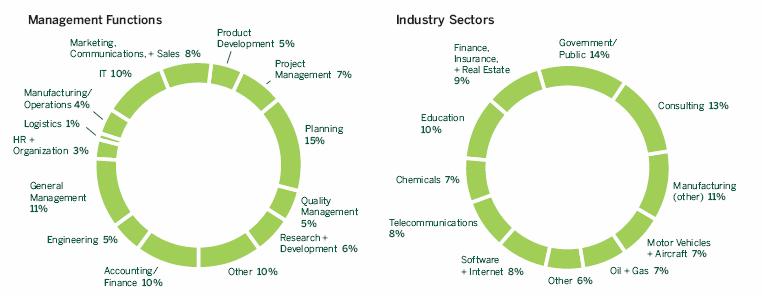
Information Sources for our Insights:
Failure to consider alternatives fully is the most common cause of bad business decisions.
It is financially dangerous to build plans that have little chance for success – but yet is common – especially in cases where the people doing the planning are out of touch with those stakeholders who sponsored the venture or initiative.
Common examples are of this type:
A separate business strategy team working on plans with less business relevance. For example, in one company, the strategy team was spending effort on a product line which was not technically possible, maybe even incompatible, with the current operating setup.
Or some executives will say: we will get all our 200+ customers to move to our new enterprise technology platform in the next 2 quarters. This is what we think: well, it took about 4 quarters for Yahoo Mail to just make all Users try out their significantly improved email beta. So, is your plan realistic? Business plans involving actions by existing customers always need careful thought and some extra time for completion.
——————————————————–
The above insights match our observations while working with companies in different industries. For more insights and analysis to help your business growth, please read our Blog.
——————————————————–